Could Your Snoring Be Harming Your Heart? The Hidden Link Between Snoring & Heart Disease

Snoring is often dismissed as a harmless annoyance - something that disturbs a partner's sleep but has little impact on health.
However, persistent snoring can sometimes be a warning sign of a more serious condition called Obstructive Sleep Apnoea (OSA), which is increasingly recognised as a risk factor for cardiovascular disease.
Sleep apnoea occurs when the airway repeatedly becomes partially or completely blocked during sleep, causing breathing to stop and start throughout the night. These repeated interruptions reduce oxygen levels, place strain on the body, and can have significant consequences for the heart over time.

The Hidden Link Between Sleep Apnoea And Heart Health
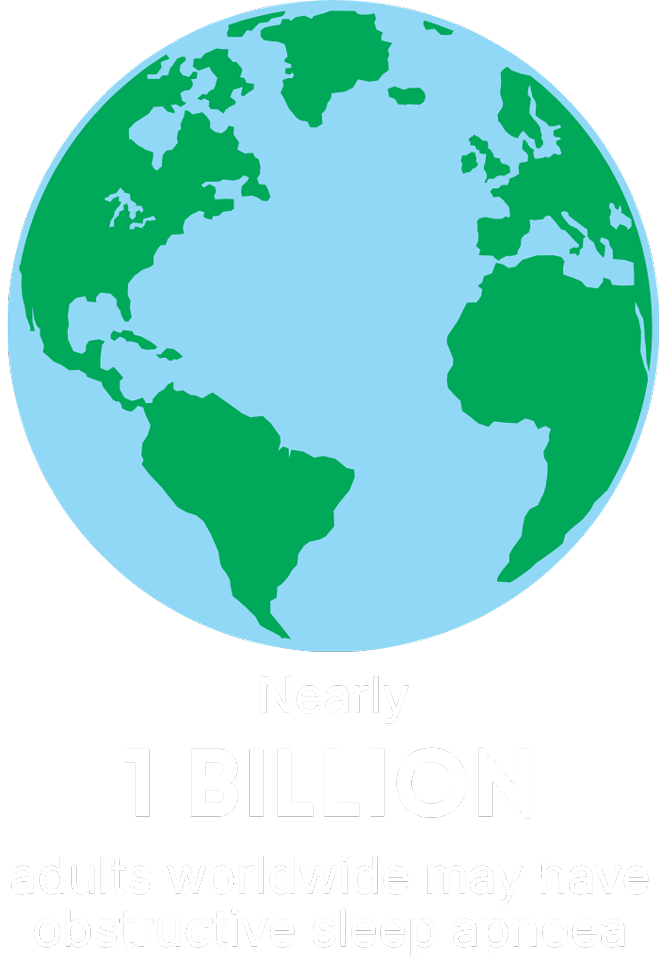
Research published in The Lancet Respiratory Medicine estimates that nearly one billion adults worldwide may have obstructive sleep apnoea, with hundreds of millions experiencing moderate-to-severe disease that often goes undiagnosed. This means a large number of people who believe they simply snore may actually be putting their long-term heart health at risk.
At One Heart Clinic, we often see patients whose cardiovascular symptoms may be linked to untreated sleep apnoea. As Dr Gulam Haji, Consultant Pulmonologist, explains:
“Snoring on its own is not harmful, but it becomes a concern when the airway repeatedly closes during sleep. When that happens, oxygen levels fall, the body has to work harder and this cyclical pattern of hypoxia activates various mechanisms that can affect cardiovascular health”


When Does Snoring Become Sleep Apnoea?
Not everyone who snores has sleep apnoea, but snoring is one of the most common early signs.
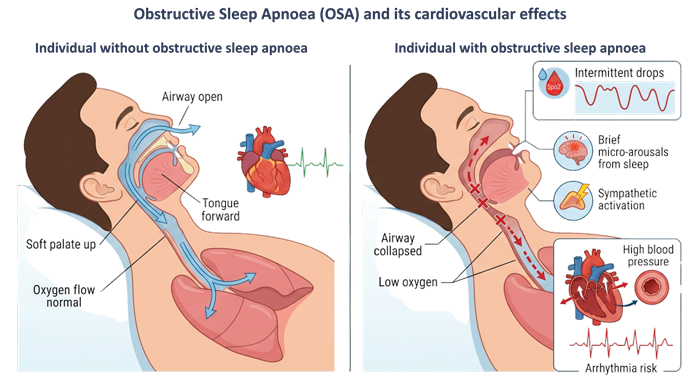
Sleep apnoea develops when the upper airway collapses during sleep, reducing airflow to the lungs. This causes the brain to briefly wake the body to restore breathing, often without the person realising it has happened. These repeated episodes can occur dozens of times per hour.
Dr Haji explains that these breathing interruptions trigger several changes in the body that can affect the cardiovascular system:
"When the airway closes during sleep and oxygen levels drop we activate various pathways including parts of the sympathetic nervous system. Together these can tighten blood vessels, and raise blood pressure. Over time, these changes can increase the risk of cardiovascular complications."
Because these events happen during sleep, many people are unaware of the problem. In many cases, a partner notices loud snoring, choking sounds, or pauses in breathing before the patient seeks medical advice.
How Sleep Apnoea Affects The Heart
Repeated drops in oxygen during the night can place the heart under constant stress. Over time, this may contribute to a range of cardiovascular conditions, including:
High Blood Pressure
Hypertension (high blood pressure) is a condition where the force of blood pushing against the walls of the arteries is consistently too high. Over time, this extra pressure makes the heart work harder and can damage blood vessels, increasing the risk of heart disease, stroke, and kidney problems. High blood pressure often has no symptoms, which is why it is sometimes called a “silent” condition.
Irregular Heart Rhythms
(Arrhythmias)
An arrhythmia is a problem with the rate or rhythm of the heartbeat. The heart may beat too fast, too slow, or unevenly. Some arrhythmias are harmless, but others can affect how well the heart pumps blood and may increase the risk of complications such as stroke or heart failure. One common example is atrial fibrillation, where the upper chambers of the heart beat irregularly.

Coronary Artery Disease
Coronary artery disease occurs when the arteries that supply blood to the heart muscle become narrowed or blocked by a build-up of fatty deposits called plaque. This reduces the amount of oxygen reaching the heart and can cause chest pain (angina), shortness of breath, or heart attacks. It is one of the most common causes of death and disability in the UK.

Heart Failure
Heart failure does not mean the heart has stopped working. It means the heart is not able to pump blood around the body as effectively as it should. This can lead to symptoms such as breathlessness, fatigue, and swelling in the legs or ankles. Heart failure often develops gradually.
Stroke
A stroke happens when the blood supply to part of the brain is suddenly interrupted, either by a blockage or a bleed. Without oxygen, brain cells can be damaged or die within minutes.
Symptoms may include weakness on one side of the body, difficulty speaking, facial drooping, or sudden loss of vision. A stroke is a medical emergency and requires immediate treatment.
According to Dr Haji, the link between sleep apnoea and heart disease is well established but often overlooked.
“Obstructive sleep apnoea is under-recognised in patients who have cardiovascular disease. The negative impact of the condition may increase the risk of arrhythmias, and make existing heart conditions harder to treat.”
Patients with conditions such as atrial fibrillation, resistant hypertension, or heart failure may therefore benefit from being assessed for sleep apnoea, even if they do not initially realise their sleep is affected.
In addition, sleep apnoea is particularly important to identify in patients with coronary artery disease, as untreated breathing disturbances during sleep can contribute to further damage to the blood vessels. Repeated drops in oxygen levels are known to promote endothelial dysfunction, a form of vascular injury that affects the inner lining of the arteries.
Who is most at risk of developing sleep apnoea?
Certain groups are more likely to develop sleep apnoea, and many of these same groups are also at higher risk of heart disease.
Risk factors include:
- Being overweight or obese
- High blood pressure
- Existing heart disease
- Diabetes or metabolic syndrome
- Family history of sleep apnoea
- Loud, persistent snoring
- Excessive daytime tiredness
Dr Haji notes that these overlapping risk factors mean sleep apnoea should always be considered in patients with cardiovascular problems.
“People with a higher body mass index, pre-existing heart conditions, including heart failure are at risk populations for sleep apnoea. In these patients, abnormal breathing during sleep and untreated sleep apnoea can contribute to a cycle that worsens cardiovascular outcomes.”


How Is Sleep Apnoea Diagnosed?
Because symptoms occur during sleep, diagnosis requires a structured medical assessment.
At One Heart Clinic, patients with suspected sleep apnoea undergo a detailed evaluation that may include:
- A full medical history
- Questions about sleep patterns and daytime fatigue
- Examination of the airway and throat
- Routine blood tests to look for related or overlapping conditions
- An overnight sleep study
Dr Haji explains why a sleep study is essential:
To confirm whether someone has sleep apnoea, we undertake a dedicated multi-channel sleep study. This allows us to measure breathing, oxygen levels, and patterns overnight, so we can determine whether the airway is closing and how severe the problem is.
During a sleep study, monitors measure breathing effort, oxygen saturation, heart rate and airflow. This allows specialists to calculate how often breathing stops during the night and how much strain this places on the body.
Does Snoring And Sleep Apnoea Affect Life Expectancy?
Untreated sleep apnoea can have serious long-term consequences, particularly for the heart and blood vessels. Studies have shown that moderate-to-severe obstructive sleep apnoea is associated with a significantly increased risk of cardiovascular disease, stroke, and all-cause mortality, with risk rising as the severity of sleep apnoea increases.
This does not mean that everyone who snores is at risk, but it does highlight the importance of proper assessment when symptoms are persistent. The good news is that when sleep apnoea is recognised early and treated appropriately, many of these risks can be reduced.

Can Heart Damage From Sleep Apnoea Be Reversed?
In many cases, yes. Identifying and treating sleep apnoea can significantly improve cardiovascular health, even in patients who have had symptoms for years.
Dr Haji emphasises that treatment can make a meaningful difference, for example in patients with difficult-to-control blood pressure. “In patients with treatment-resistant high blood pressure, identifying obstructive sleep apnoea gives us a clear treatment target. Once the sleep apnoea is managed, blood pressure often becomes easier to control, and in some cases could lead to a reduction in the amount of therapies needed.”
Treatment options may include:
- Continuous Positive Airway Pressure (CPAP) therapy
- Weight loss and lifestyle changes
- Improving sleep habits
- Managing nasal or airway obstruction
- Treating underlying heart or lung conditions
The key message is that the earlier sleep apnoea is diagnosed, the more chance there is of preventing long-term damage.

What You Can Do To Protect Your Heart And Your Sleep
Simple lifestyle measures can reduce the risk of sleep apnoea and support both sleep quality and cardiovascular health.
Dr Haji recommends focusing on overall health and recognising symptoms early. Maintaining a healthy weight, staying physically active, and keeping a regular sleep routine are very important.
“If you have symptoms that could suggest sleep apnoea, it is best to investigate sooner rather than later, before longer-term complications develop.”
You should consider medical advice if you experience:
- Loud, frequent snoring
- Pauses in breathing during sleep
- Excessive daytime tiredness
- Morning headaches
- Difficult-to-control blood pressure
- Irregular heart rhythms
Sleep problems are not always harmless, and in some cases they may be an early warning sign of cardiovascular disease.

When To Seek Specialist Advice
If you are concerned about snoring, sleep apnoea, or unexplained cardiovascular symptoms, a specialist assessment can help identify the cause and guide treatment.
At One Heart Clinic, our team offers comprehensive evaluation for sleep-related breathing disorders and their impact on heart health, with access to advanced diagnostic testing and personalised treatment plans.
Recognising the link between sleep and the heart is an important step towards protecting your long-term health, and ensuring that a simple snore is not hiding a more serious problem. Book an appointment using our simple online form, call us on 020 3983 8001, or find out more about our packages here.
Discover more